Dental Implant Cost in Delhi: Real Prices, Factors & What You Should Know
Dental implant costs in Delhi can be confusing. You’ll see prices ranging from ₹25,000 to over ₹1,00,000 for the same procedure. Naturally, the question in your mind is:
Why such a big difference?
The problem is, most clinics don’t explain what that price actually includes. Some quote only the implant. Some exclude the crown. Some don’t account for bone condition or complexity.
So you walk in expecting one number… and end up paying much more later. Or worse, you choose the cheapest option and compromise on long-term dental health and overall treatment results.
This article fixes that. We’ve combined real patient queries at our clinic to create a comprehensive guide every treatment seeker should read before going for dental implant treatment in Delhi.
In this guide you’ll understand:
What dental implants actually cost in Delhi
What affects the final price
What you should look for before deciding
What is the cost of dental implants in Delhi?
Dental implant cost in Delhi ranges from tooth to tooth.
The cost typically includes:
Implant
Abutment
Crown
The final cost depends on bone condition, implant type, and treatment complexity.
Dental Implant Cost in Delhi (Quick Answer)
Beyond Dental: ₹50,000 – ₹1,45,000
Lower prices exist. But often:
The crown is not included
Planning is basic or non-digital
Lower-cost implant systems are used
The number you see is not always the number you pay.
What Does This Cost Actually Include?
At our clinic, the cost includes the complete restoration. The number you see is the final amount you pay, no hidden costs.
Component | Included in Cost? |
Implant (placed inside the bone) | Yes |
Abutment (connects implant to crown) | Yes |
Crown/Cap (final visible tooth) | Yes |
CBCT Scan | Almost always required |
Bone Graft | If required |
Many clinics quote only the implant. The rest gets added later. This is where the confusion starts.
Why Dental Implant Cost in Delhi Varies So Much
1. Bone Condition
Not every patient has enough bone to support an implant.
In such cases, the following procedures are generally required:
Bone grafting
Sinus lift
These improve long-term success, but increase cost.
2. Type of Implant & Loading Time
Implants differ in how quickly they integrate with bone.
Conventional implants: 3–4 months
Advanced implants: 2–3 weeks
Immediate loading: crown placed quickly
Faster systems require better stability and planning. This affects pricing.
3. Number of Implants
Single tooth: straightforward
Multiple teeth: higher cost
Full mouth: requires planning across the entire jaw
4. Implant Brand
We use globally recognized implant systems:
Osstem
Straumann
ZimVie
These are selected based on:
Bone density
Load requirements
Healing time
Premium systems cost more due to:
Surface technology
Patented clinical research
Predictability
5. Case Complexity
More complex cases include:
Severe bone loss
Full arch restorations
Basal implants
These require advanced planning and surgical expertise.
The Biggest Misconception About Implant Cost
“All implants are the same.”
They are not.
Key differences include:
Integration time
Stability in bone
When the crown can be placed
Long-term success rates
Choosing only based on price can lead to:
Delays
Additional procedures
Compromised outcomes
Hidden Costs Most Patients Don’t Expect
Before treatment begins, you should be aware of:
CBCT scans (pre-operative and post-operative)
Bone grafting (if required)
Temporary teeth
Follow-up visits
In dental implant cases, CT scans and bone grafting are sometimes required as part of the treatment. We perform a CBCT scan before the procedure to plan the implant precisely, and a post-operative scan to confirm accurate placement. In cases where bone support is insufficient, bone grafting may be needed to improve the long-term success of the implant. All of this is discussed in detail during your planning visit after the initial CBCT scan.
Everything is explained upfront. The treatment plan is finalized before starting. You’ll know exactly what the treatment involves and what it will cost before we begin. There are no unexpected additions during the procedure.
Technology We Use And Why Does It Matter To You?
Implant success depends heavily on precision.
We use a fully digital workflow to improve outcomes.
Digital CBCT Planning
3D imaging of your jaw
Helps assess bone quality and volume
Guided Implant Surgery
Implant placement is pre-planned digitally
Although this is not required in every case. But, in cases where pin-point precision is needed, we employ this technology
Digital Impressions
No physical moulds
Faster and more accurate crown fabrication
This leads to:
Better fit
Faster treatment
Reduced complications
Your Doctor’s Expertise Matters More Than The Price You Pay
Your outcome depends on who is placing the implant.
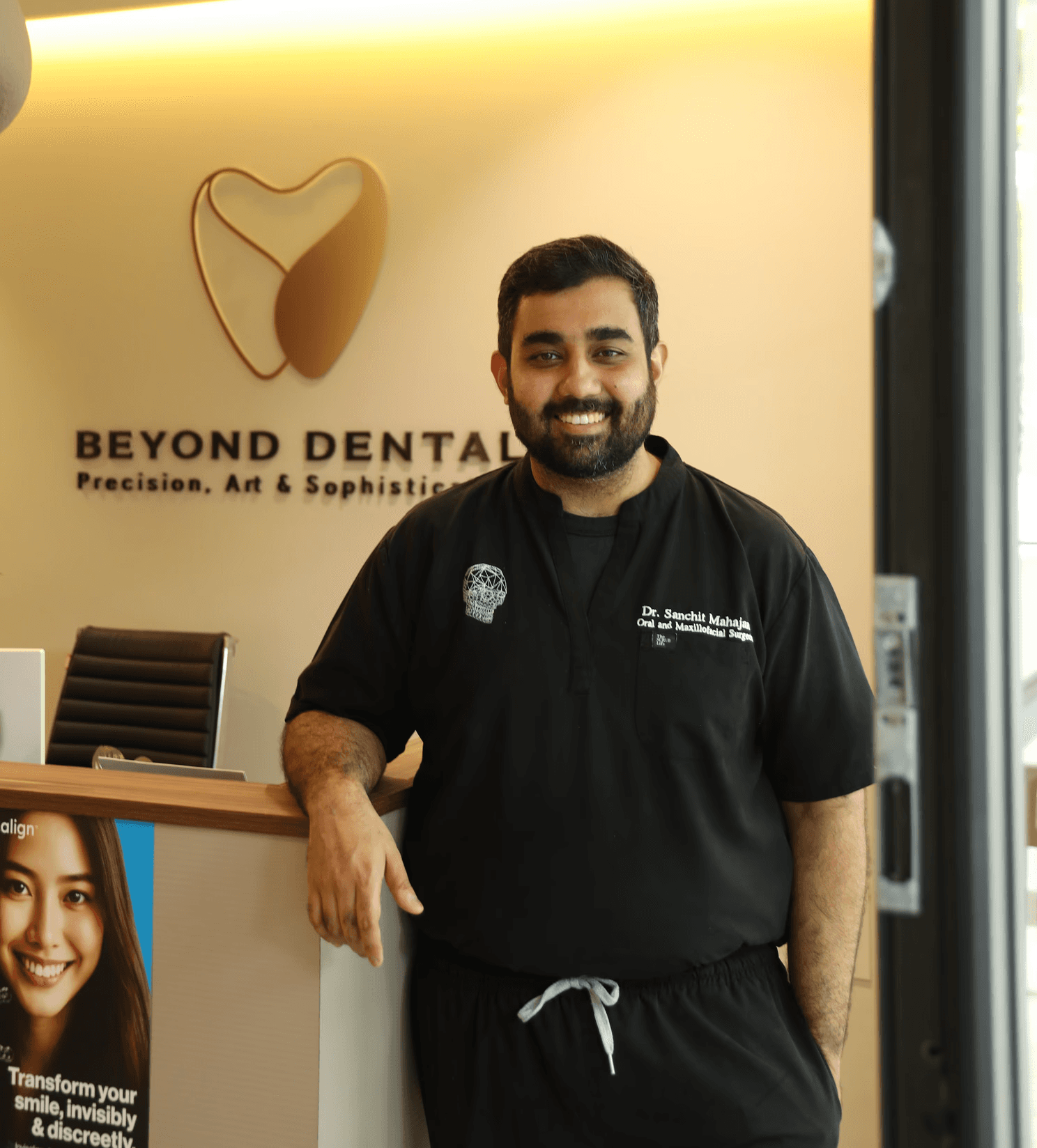
MDS - Implantologist & Oral and Maxillofacial Surgeon
Dr. Sanchit Mahajan (Implantologist, Oral & Maxillofacial Surgeon)
BDS, MDS (OMFS) – Manipal College of Dental Sciences
Fellowship in Head & Neck Cancer Surgery
Fellowship in Oral Oncology (ongoing)
9+ years of clinical experience
Specializes in:
Dental implants
Sinus lift and ridge augmentation
Facial trauma and reconstructive procedures
Member: AOMSI (Association of Oral & Maxillofacial Surgeons of India)
His approach combines:
Surgical precision
Digital planning
Patient-first treatment
This directly impacts:
Implant success
Longevity
Overall experience
Certifications & Standards - Why They Should Matter More Than You Think
Not all implant systems are equal.
We use systems that follow:
FDA approval
ISO certification
Global clinical standards
These ensure:
Material safety
Consistent quality
Proven long-term performance
Certifications are not just labels. They reflect years of clinical validation.
How Long Do Dental Implants Last?
Dental implants can last a lifetime when done correctly and maintained well.
Their longevity depends on two key factors:
1. Patient factors
Oral hygiene
Diet
Smoking habits
Medical conditions like diabetes and how well they are controlled
2. Doctor factors
Precision of implant placement
Correct implant size and positioning
Bone support (including procedures like bone grafting or sinus lift when required)
Maintaining a sterile surgical environment
Proper planning and execution directly impact long-term success. The materials used also matter.
We use implant systems that follow globally recognized standards such as:
FDA approval
ISO certification
These certifications ensure consistent quality, safety, and long-term reliability.
At our clinic, we use trusted implant systems like:
Osstem
Straumann
ZimVie
Each is selected based on your specific case to ensure the best possible outcome.
Real Case Examples From Beyond Dental Clinic, Delhi
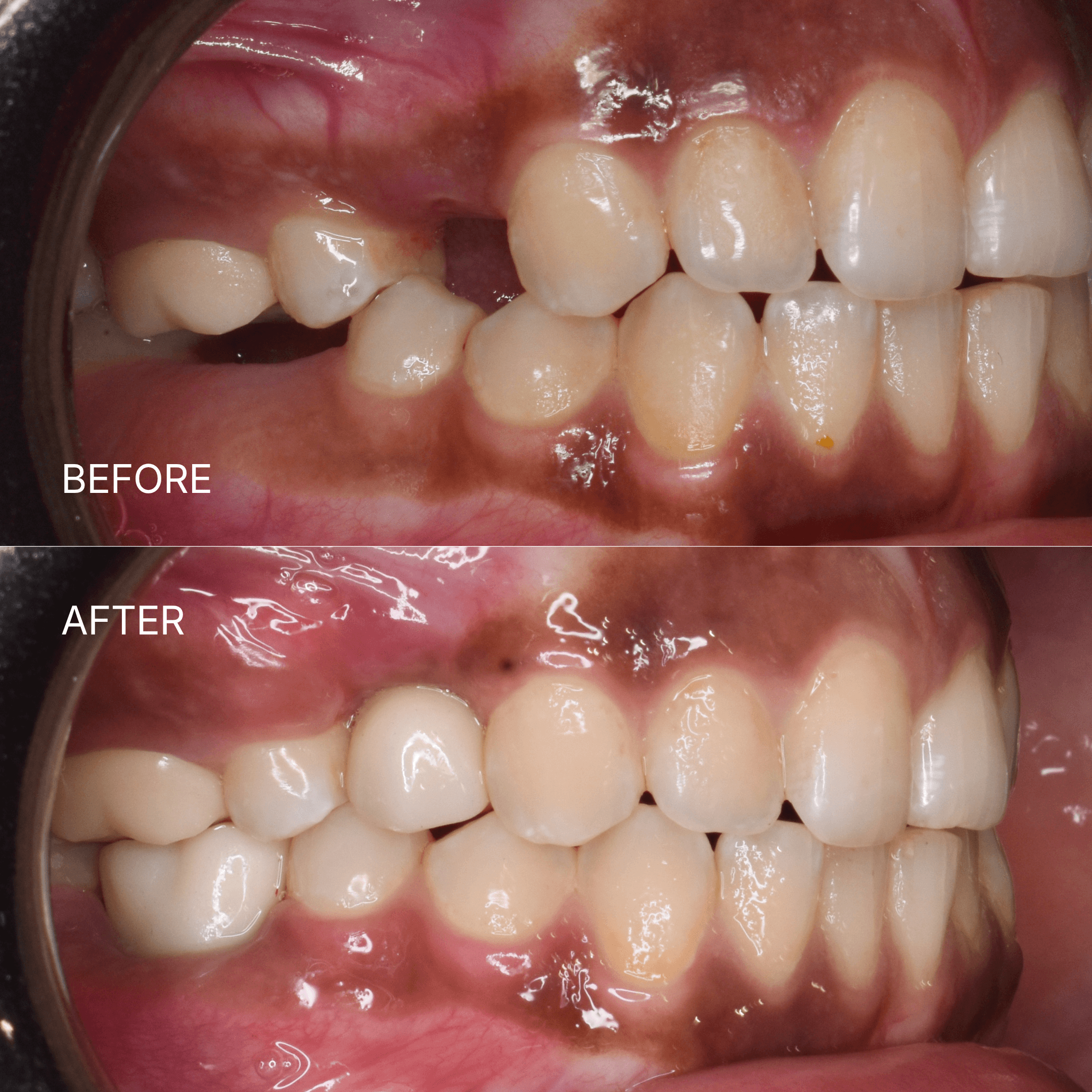
Case 1: Single Tooth Implant
Implant: Osstem
Cost: ₹50,000 – ₹60,000
Bone graft (if needed): ₹5,000 – ₹10,000
Straightforward case with predictable outcome.
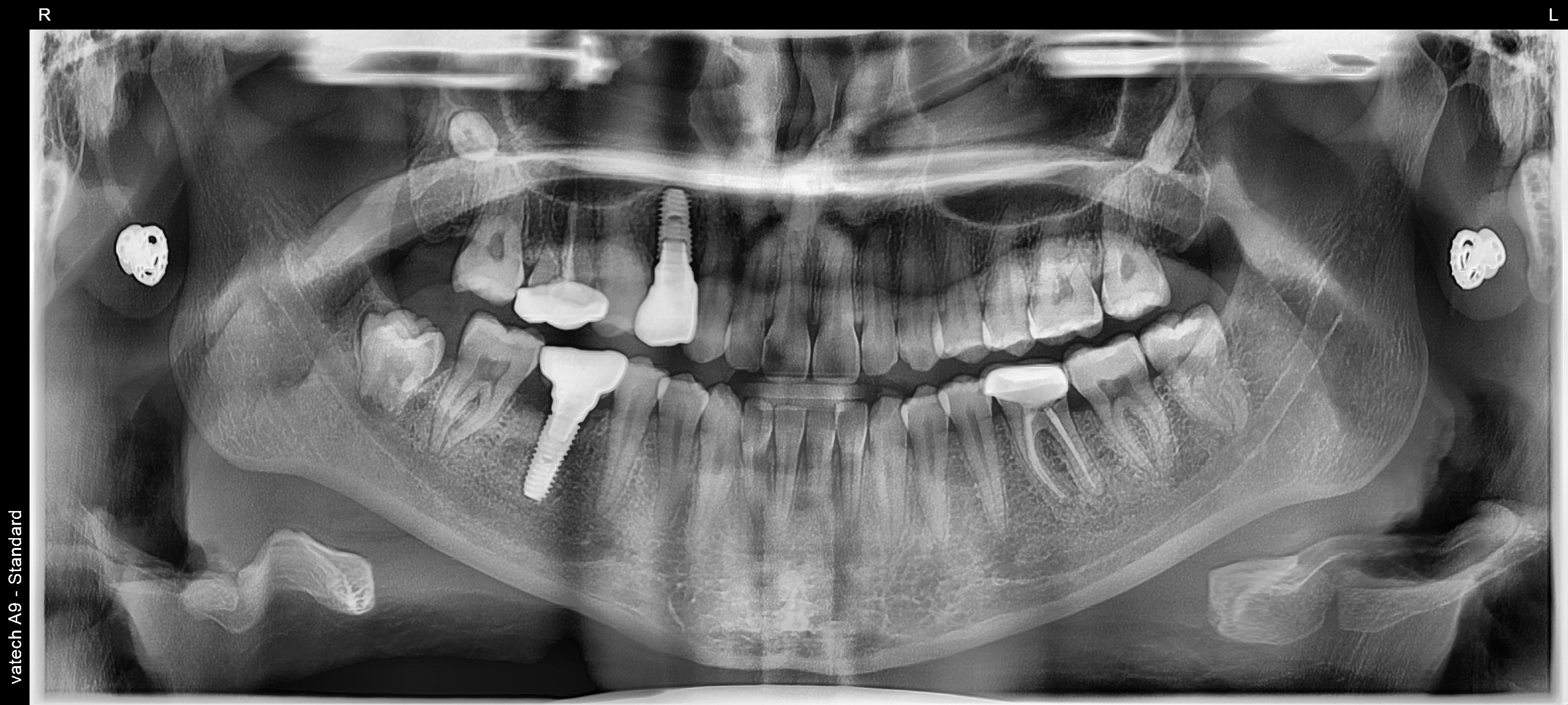
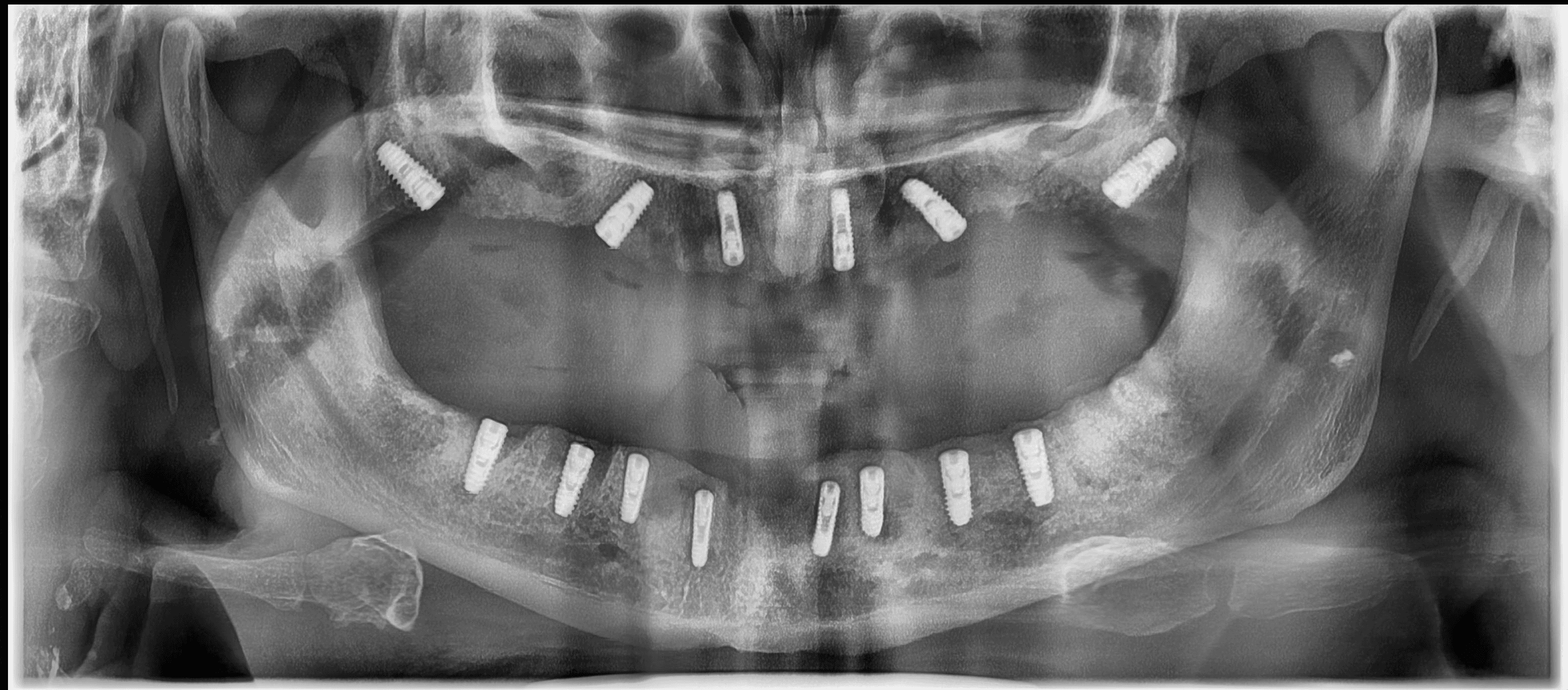
Case 2: Full Upper Arch Implant (Complex Case)
Patient condition:
Multiple missing and compromised teeth in the upper jaw
Reduced bone support in certain areas
Treatment approach:
Full upper arch rehabilitation
Multiple implants placed with guided surgery
Bone grafting in selected regions
Cost:
₹4,00,000 – ₹8,00,000 (varies based on implant type and grafting extent)
Outcome:
Restored function (ability to chew properly)
Improved aesthetics and smile
Stable, long-term solution
These cases require:
Detailed planning
Surgical expertise
Precise execution
Why Are Implants Cheaper in Delhi vs US or UK?
Lower operating costs
Lower lab costs
High patient volume
Established dental tourism ecosystem
This allows high-quality treatment at a lower cost.
What Happens After the Implant – Follow-Up Protocol
Follow-up is critical for success.
Our standard protocol:
1 week: healing check
2 weeks: soft tissue evaluation
4 weeks: stability assessment
After crown placement: review
Every 6 months: maintenance check
This ensures:
Proper healing
Early detection of any issues
Long-term success
How to Choose the Right Dentist And Not The Cheapest One
Before choosing a clinic, check:
Surgeon’s experience
Technology used
Implant system and certifications
Sterilization protocols
Follow-up care
Also align your expectations with the doctor’s expectations i.e., Functional goals vs aesthetic goals.
How We Decide Your Exact Cost
CBCT scan
Bone assessment
Treatment planning
Implant selection
Timeline discussion
Cost breakdown
During your consultation, we explain procedure steps, timeline, expected result and possible complications. Only then do we proceed with the treatment.
Frequently Asked Questions
What is the cheapest dental implant cost in Delhi?
Why do some implants cost more?
How long do dental implants last?
Is bone grafting always required?
What Should You Do Next?
If you’re considering a dental implant, get your case evaluated properly.
Your cost depends on your condition. Not just the implant.
A correct plan ensures:
Better results
Fewer complications
Long-term value